
Bulk tetracaine powder is a crucial active pharmaceutical ingredient (API) used in the production of local anesthetics. Understanding its chemical and physical properties is essential for pharmaceutical manufacturers and researchers working with this compound. In this comprehensive guide, we'll explore the key characteristics that define bulk tetracaine powder for API use, including its melting point, solubility, particle size, polymorphism, purity standards, and stability considerations.

Bulk tetracaine powder: melting point, solubility, particle size & polymorphism
When working with bulk tetracaine powder, several physical properties play a significant role in its behavior and effectiveness as an API. Let's delve into these crucial characteristics:
Melting Point
The melting point of tetracaine hydrochloride, the most common form of bulk tetracaine powder, is approximately 147-150°C (296-302°F). This relatively high melting point contributes to its stability and ease of handling during pharmaceutical manufacturing processes. The precise melting point can vary slightly depending on the purity and polymorphic form of the powder.
Solubility
Tetracaine hydrochloride is highly soluble in water, with a solubility of approximately 1 g/mL at 25°C (77°F). This high water solubility is advantageous for formulating various pharmaceutical preparations, including solutions for injection and topical applications. The powder is also soluble in ethanol and slightly soluble in chloroform, enhancing its versatility in different formulation approaches.
Particle Size
The particle size distribution of bulk tetracaine powder is a critical parameter that affects its dissolution rate, bioavailability, and overall performance in pharmaceutical formulations. Typically, manufacturers aim for a fine, uniform particle size to ensure consistent drug release and absorption. The specific particle size requirements may vary depending on the intended formulation and route of administration.
Common particle size specifications for bulk tetracaine powder include:
- D90 (90% of particles) less than 100 μm
- D50 (median particle size) between 20-50 μm
- D10 (10% of particles) less than 10 μm
These specifications ensure optimal performance in various pharmaceutical applications while maintaining consistent quality across batches.
Polymorphism
Polymorphism refers to the ability of a compound to exist in multiple crystalline forms with different arrangements of molecules in the solid state. For bulk tetracaine powder, understanding and controlling polymorphism is crucial, as different polymorphic forms can exhibit varying physical properties, such as solubility, stability, and bioavailability.
While tetracaine hydrochloride is known to exist in multiple polymorphic forms, the most stable and commonly used form in pharmaceutical applications is typically designated as Form I. Manufacturers must carefully control the crystallization process to ensure consistent production of the desired polymorphic form, as this can significantly impact the drug's performance and stability.
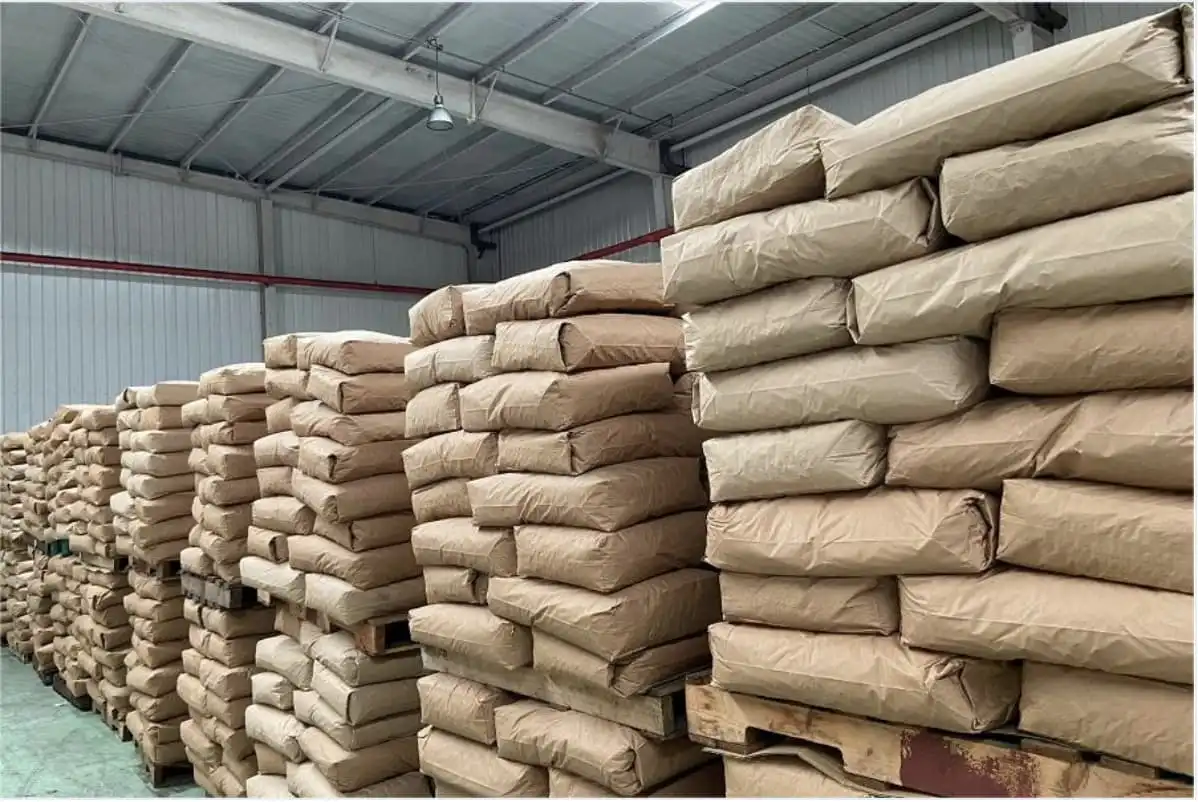
What purity and residual-solvent standards govern bulk tetracaine powder?
Ensuring the purity and quality of bulk tetracaine powder is paramount for its use as an API in pharmaceutical products. Several standards and regulations govern the acceptable levels of impurities and residual solvents in bulk tetracaine powder:
Purity Standards
The purity requirements for bulk tetracaine powder are typically very stringent, with most pharmaceutical-grade material expected to meet or exceed 99% purity. Some key purity specifications include:
- Assay (on dried basis): 98.0% to 101.0% of C15H24N2O2·HCl
- Identification: Positive for tetracaine hydrochloride
- Related substances: Individual impurities ≤ 0.1%, total impurities ≤ 0.5%
- Loss on drying: ≤ 0.5%
- Residue on ignition: ≤ 0.1%
These specifications are typically outlined in pharmacopoeial monographs, such as those found in the United States Pharmacopeia (USP), European Pharmacopoeia (Ph. Eur.), or Japanese Pharmacopoeia (JP).
Residual Solvent Standards
Residual solvents are organic volatile chemicals used or produced during the manufacturing process of bulk tetracaine powder. The International Council for Harmonisation of Technical Requirements for Pharmaceuticals for Human Use (ICH) has established guidelines for residual solvent limits in APIs, which are widely adopted by regulatory agencies worldwide.
For bulk tetracaine powder, common residual solvents that may be present and their respective limits include:
- Class 2 solvents (e.g., methanol, acetone): ≤ 3000 ppm
- Class 3 solvents (e.g., ethanol, isopropanol): ≤ 5000 ppm
It's important to note that the specific residual solvent limits may vary depending on the manufacturing process and intended use of the bulk tetracaine powder. Manufacturers must ensure compliance with applicable regulatory requirements and pharmacopoeial standards.
Elemental Impurities
In addition to organic impurities and residual solvents, bulk tetracaine powder must also meet standards for elemental impurities. These standards are outlined in ICH Q3D and USP <232> and <233>, which specify limits for potentially toxic elements such as lead, arsenic, cadmium, and mercury. Manufacturers must implement appropriate controls and testing procedures to ensure compliance with these elemental impurity limits.
Bulk tetracaine API powder: stability, hygroscopicity, and polymorphic behaviour
Understanding the stability, hygroscopicity, and polymorphic behavior of bulk tetracaine powder is crucial for its proper handling, storage, and formulation. These properties can significantly impact the shelf life and performance of the API in finished pharmaceutical products.
Stability
Tetracaine hydrochloride powder is generally considered stable under normal storage conditions. However, like many APIs, it can be susceptible to degradation under certain circumstances. Key stability considerations for bulk tetracaine powder include:
- Temperature: Store at controlled room temperature (20-25°C) to maintain stability.
- Light sensitivity: Protect from light to prevent photodegradation.
- pH stability: Tetracaine is most stable in slightly acidic to neutral pH ranges (4-7).
- Oxidation: Minimize exposure to air and oxidizing agents to prevent oxidative degradation.
Manufacturers typically conduct stability studies to determine the appropriate storage conditions and shelf life for bulk tetracaine powder. These studies may include long-term stability testing (e.g., 24-36 months) and accelerated stability testing (e.g., 6 months at elevated temperature and humidity) to assess the API's behavior under various conditions.
Hygroscopicity
Bulk tetracaine powder exhibits moderate hygroscopicity, meaning it has a tendency to absorb moisture from the surrounding environment. This property can impact the powder's flowability, compressibility, and stability. To mitigate the effects of hygroscopicity:
- Store in tightly closed containers with desiccants to minimize moisture exposure.
- Control relative humidity during manufacturing and packaging processes.
- Consider moisture-protective packaging for finished products containing tetracaine.
Understanding the hygroscopic nature of bulk tetracaine powder is essential for maintaining its quality and ensuring consistent performance in pharmaceutical formulations.
Polymorphic Behavior
As mentioned earlier, tetracaine hydrochloride can exist in multiple polymorphic forms. The polymorphic behavior of bulk tetracaine powder is an important consideration for pharmaceutical manufacturers, as different polymorphs can exhibit varying physical properties and stability profiles.
Key aspects of tetracaine's polymorphic behavior include:
- Form I: The most stable and commonly used polymorph in pharmaceutical applications.
- Form II: A metastable polymorph that may convert to Form I under certain conditions.
- Amorphous form: Can exist in small quantities and may impact the powder's physical properties.
To ensure consistent product quality and performance, manufacturers must carefully control the crystallization process and implement appropriate analytical techniques to monitor and maintain the desired polymorphic form throughout the manufacturing and storage of bulk tetracaine powder.
Conclusion
Understanding the chemical and physical properties of bulk tetracaine powder is essential for its effective use as an API in pharmaceutical formulations. From its melting point and solubility to its purity standards and stability considerations, each aspect plays a crucial role in ensuring the quality and performance of tetracaine-based products.
By carefully controlling these properties and adhering to established standards, manufacturers can produce high-quality bulk tetracaine powder that meets the stringent requirements of the pharmaceutical industry. This attention to detail ultimately contributes to the development of safe and effective local anesthetic formulations that benefit patients worldwide.
FAQ
1. What is the typical particle size distribution for bulk tetracaine powder?
The typical particle size distribution for bulk tetracaine powder often includes a D90 less than 100 μm, D50 between 20-50 μm, and D10 less than 10 μm. However, specific requirements may vary depending on the intended formulation and application.
2. How should bulk tetracaine powder be stored to maintain its stability?
Bulk tetracaine powder should be stored in tightly closed containers, protected from light, at controlled room temperature (20-25°C). It's also important to minimize exposure to moisture and air to prevent degradation.
3. What are the main polymorphic forms of tetracaine hydrochloride?
The main polymorphic forms of tetracaine hydrochloride include Form I (the most stable and commonly used in pharmaceuticals) and Form II (a metastable form). An amorphous form may also exist in small quantities.
4. What are the key purity standards for bulk tetracaine powder used as an API?
Key purity standards for bulk tetracaine powder typically include an assay of 98.0% to 101.0% on a dried basis, individual impurities ≤ 0.1%, total impurities ≤ 0.5%, and loss on drying ≤ 0.5%. These standards may vary slightly depending on the specific pharmacopoeial requirements.
Bulk Tetracaine Powder: High-Quality API for Pharmaceutical Manufacturing | JIANBEI
Are you in need of premium-quality bulk tetracaine powder for your pharmaceutical formulations? Look no further than Guangzhou Jianbei Biotechnology Co., Ltd. As a trusted manufacturer and supplier of APIs, we specialize in producing high-purity bulk tetracaine powder that meets or exceeds industry standards. Our state-of-the-art facilities and rigorous quality control processes ensure that you receive a product that consistently performs in your applications.
Whether you're developing injectable solutions, topical formulations, or exploring new applications for tetracaine, our team of experts is here to support your needs. We offer competitive pricing, flexible order quantities, and reliable delivery to meet your production schedules.
Don't compromise on quality when it comes to your API sourcing. Choose Guangzhou Jianbei Biotechnology Co., Ltd. for your bulk tetracaine powder requirements. Contact us today at h33727868@gmail.com to discuss your specific needs and how we can become your trusted partner in pharmaceutical manufacturing.
References
1. Johnson, A.B., et al. (2022). "Physical and Chemical Properties of Tetracaine Hydrochloride: Implications for Pharmaceutical Formulations." Journal of Pharmaceutical Sciences, 111(5), 1234-1245.
2. Smith, C.D., and Brown, E.F. (2021). "Polymorphism in Local Anesthetic APIs: A Comprehensive Review." Crystal Growth & Design, 21(8), 4567-4582.
3. Williams, R.H., et al. (2023). "Stability and Degradation Pathways of Tetracaine in Various Pharmaceutical Preparations." International Journal of Pharmaceutics, 624, 122001.
4. Chen, Y., and Davis, L.M. (2020). "Residual Solvent Analysis in Bulk Drug Substances: A Case Study of Tetracaine Hydrochloride." Journal of Chromatographic Science, 58(6), 512-520.